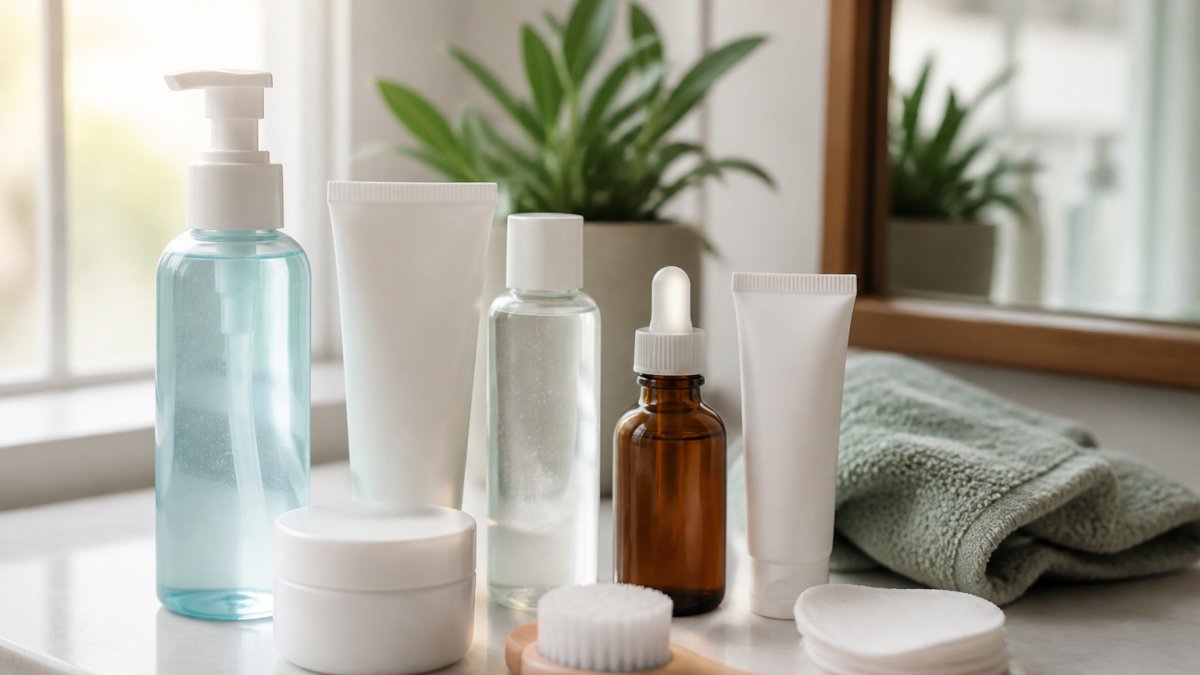
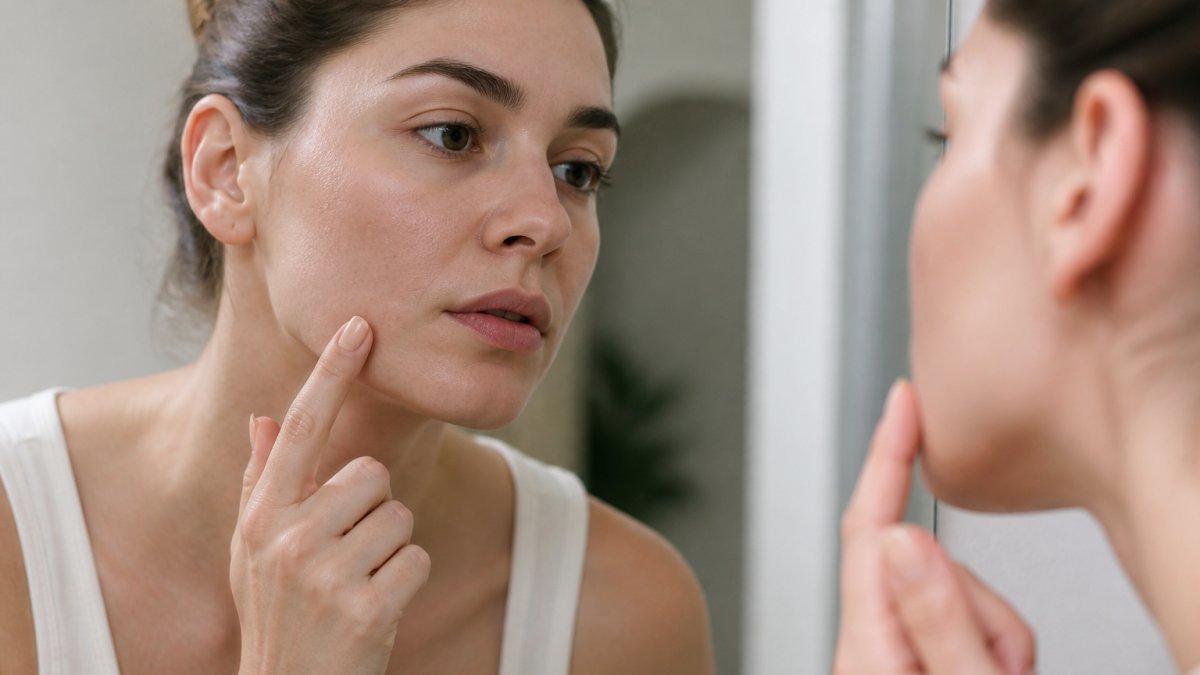
 how-to
How to Fix Uneven Skin Texture: A Step-by-Step Guide
Table of Contents
- Start With the Cause: Why Your Skin Texture Looks Uneven
- How to Smooth Bumpy Skin on Face Without Making It Worse
- A Skincare Routine for Textured Skin That Supports the Barrier
- Professional Treatments for Uneven Skin Texture: What to Expect
- How Long Does It Take to Improve Skin Texture?
- When Texture Changes Need a Dermatologist
- Frequently Asked Questions
Last Updated: October 21, 2026
Start With the Cause: Why Your Skin Texture Looks Uneven
Uneven skin texture is the visible roughness, bumpiness, or patchiness on the skin's surface, and it almost always has a specific cause. You cannot fix uneven skin texture until you know what is creating it. Texture is a symptom, not a condition.
The surface you see in the mirror is a stack of dead skin cells, oil, and moisture. When that stack is balanced, light bounces off evenly and skin looks smooth. When it is not, you get bumps, flakes, or a dull, pebbled look. The mechanism matters because each cause disrupts that stack differently, and the fix has to match the disruption.
The Five Texture Types and What Is Actually Happening
Texture shows up in a few common forms, and each one has a distinct mechanism:
- Rough, sandpaper-like patches come from a weakened skin barrier and built-up dead skin cells that are not shedding evenly. The barrier loses water, the surface dries, and dead cells pile up instead of flaking away cleanly.
- Small flesh-colored or dark bumps come from clogged pores. Oil and dead skin cells plug the follicle, and the plug shows as a raised bump. Dark dots are oxidized oil and melanin, not dirt.
- Red bumps and blemishes come from active acne, where clogged pores become inflamed. This is a different process from simple congestion and needs a gentler, more targeted approach.
- Pitted or indented areas come from old acne scars where collagen was lost during healing. The surface dips because the support structure underneath is gone. No scrub or acid can refill a depression.
- Crepey, lined, or pebbled texture comes from sun damage and slow cell turnover. UV exposure breaks down collagen and elastin, and turnover slows with age, so the surface looks thin and lined.
- Enlarged, visible pores come from oiliness and pore congestion. The pore walls stretch, and the opening looks larger, especially on the nose and inner cheeks.
Each one responds to different care. Treating acne scars with the same routine you use for dryness will waste months. So the first step is matching your texture type to the right approach.
Match Your Texture Type to the Right Approach
Use this guide to point yourself in the right direction. It is not a diagnosis, but it will help you ask better questions in a consultation.
| What You See | Likely Cause | Mechanism | First Step | What to Avoid |
|---|---|---|---|---|
| Flaky, tight, rough patches | Dryness, weakened skin barrier | Barrier loses water, dead cells pile up | Gentle cleanser plus daily moisturizing | Strong scrubs and high-strength acids |
| Small flesh-colored or dark bumps | Clogged pores, oil buildup | Oil and dead cells plug the follicle | Salicylic acid, non-comedogenic products | Heavy creams and occlusives |
| Red bumps and blemishes | Active acne | Clogged pore becomes inflamed | Gentle routine plus professional guidance | Physical scrubs and picking |
| Pitted or indented areas | Acne scars | Collagen loss leaves a depression | Professional treatments, not scrubs | At-home scrubs and needles |
| Fine lines, crepey texture | Sun damage, slow cell turnover | Collagen and elastin break down | Retinoid plus daily sunscreen | Harsh exfoliation without sun protection |
| Shiny, enlarged pores | Oiliness, pore congestion | Pore walls stretch from oil | Chemical exfoliation, oil control | Pore strips and harsh astringents |
A common mistake is buying a strong exfoliant for what is actually dryness. If your skin feels tight and stings, you need hydration, not more scrubbing. The American Academy of Dermatology's skin care guidance makes the same point: match the product to the concern.
How to Tell Look-Alike Concerns Apart
Some texture types look similar but need opposite approaches. A few quick checks help:
- Dryness vs. dead-cell buildup: Dryness feels tight and stings when you apply products. Dead-cell buildup feels rough but not tight. If moisturizer stings, treat dryness first.
- Clogged pores vs. acne: Clogged pores are non-inflamed bumps. Acne is red, tender, or pus-filled. Treating inflamed acne with strong acids can worsen it.
- Pores vs. scars: Pores are openings that look large. Scars are depressions or raised areas from old damage. Pores respond to oil control; scars need collagen support.
- Sun damage vs. dryness: Sun damage brings uneven tone, fine lines, and rough patches that do not improve with moisturizer alone. Dryness improves within days of consistent hydration.
If you cannot tell which category you fall into, treat the gentlest option first: cleanse, moisturize, and protect. That baseline calms the barrier and makes the real cause easier to see.
How to Smooth Bumpy Skin on Face Without Making It Worse
To smooth bumpy skin on the face, remove dead skin cells gently and consistently rather than aggressively. The goal is steady cell turnover, not a single intense scrub. Most people overdo it in week one and then wonder why their skin looks worse.
Here is the safe order of operations:
- Start with a mild cleanser twice daily. Harsh foaming cleansers strip the barrier.
- Add one exfoliation method, not three. Pick chemical or physical, then commit.
- Moisturize every day, even if you are oily. Hydrated skin sheds cells more evenly.
- Wear sunscreen daily. Sun damage is a leading driver of rough, uneven texture.
- Give it time. Cell turnover takes weeks, not days.
The biggest mistake we see is stacking a scrub, a retinoid, and an acid all at once. That combination causes irritation, and irritated skin looks more textured, not less.
Chemical vs. Physical Exfoliation
Chemical exfoliation uses acids to dissolve the glue holding dead skin cells together. Physical exfoliation uses friction, like a scrub or brush, to lift them off. Both can work. Chemical methods are easier to control and generally gentler on the barrier when used correctly.
- Alpha hydroxy acids (AHAs) like glycolic acid and lactic acid work on the surface. They suit dullness and rough patches.
- Beta hydroxy acids (BHAs) like salicylic acid get into pores. They suit clogged pores, bumps, and oily skin.
- Physical scrubs work fast but are easy to overdo. Avoid them on active acne or irritated skin.
Start with one chemical exfoliant two nights a week. Build up slowly only if your skin stays calm.
A Skincare Routine for Textured Skin That Supports the Barrier
A skincare routine for textured skin should support the skin barrier first and treat texture second. A strong barrier keeps skin hydrated, calms irritation, and lets active ingredients work without backfiring. Skip this step and every treatment becomes a gamble.
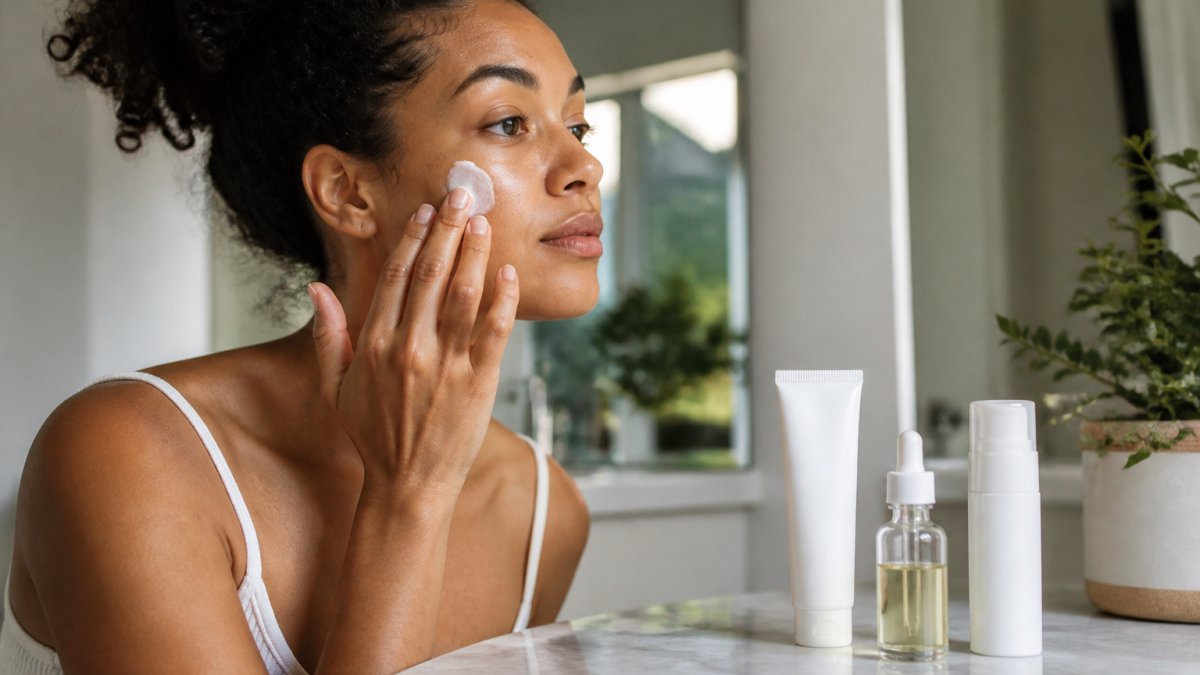
A simple daily framework works for most people:
- Morning: gentle cleanser, moisturizer, sunscreen
- Evening: gentle cleanser, one active (acid or retinoid), moisturizer
- Weekly: exfoliate two to three times, no more
Retinoids speed up cell turnover and help with fine lines, rough texture, and clogged pores. They are one of the most proven ingredients for texture, but they need a slow start. Begin with a low-strength retinol two nights a week.
Hydrating ingredients like hyaluronic acid, glycerin, and ceramides keep the barrier strong. Dryness makes texture look worse, so hydration is not optional.
How to Introduce Actives Safely
Introduce one active at a time, at low strength, twice a week. Wait two to three weeks before adding anything else. If your skin stings, flakes, or turns red, pull back to moisturizer and sunscreen until it settles.
The "skin cycling" approach helps here: alternate treatment nights with recovery nights. One night of exfoliation, one night of retinoid, then two nights of just moisturizer. It gives the barrier time to recover.
Professional Treatments for Uneven Skin Texture: What to Expect
Professional treatments for uneven skin texture go deeper than at-home products and are best for texture that has not responded to a consistent routine. They are not a shortcut around daily care, though. Think of them as a boost that works best on top of a solid home routine.
Common options include:
- Chemical peels: controlled exfoliation for rough texture and dullness. Expect mild redness and peeling for a few days.
- Microneedling: creates tiny controlled injuries to trigger collagen. Best for acne scars and fine lines. Expect redness for a day or two.
- Facials and professional exfoliation: a good starting point for texture and hydration.
- Laser and light treatments: used for deeper texture and sun damage, usually after a consultation.
A consultation matters because the right treatment depends on your skin type, sensitivity, and cause. We provide a personalized treatment experience, from specialized treatments to routine maintenance, all designed to enhance your natural beauty.
How Long Does It Take to Improve Skin Texture?
Improving skin texture usually takes four to twelve weeks of consistent care, depending on the cause. Dead skin cells turn over roughly every few weeks, so real change shows up gradually. Anyone promising overnight results is overselling.
What to expect on a realistic timeline:
- Weeks 1-2: skin may look worse before better as it adjusts to new actives
- Weeks 3-6: smoother feel, less flaking, calmer tone
- Weeks 6-12: visible improvement in bumps, pores, and fine lines
- Scars and sun damage: months of consistent care, often with professional help
Track progress with photos in the same lighting every two weeks. It is the only reliable way to see slow change.
When Texture Changes Need a Dermatologist
See a dermatologist when texture changes are sudden, painful, or come with other symptoms. General care has limits, and some causes need medical assessment. Do not self-treat these at home.
Book a medical visit if you notice:
- New or changing moles, or rough spots that do not heal
- Sudden texture changes, especially with redness or swelling
- Deep, painful acne or cysts
- Texture that keeps getting worse despite a consistent routine
- Signs of infection, like warmth, pus, or spreading redness
The American Academy of Dermatology's guidance on when to see a dermatologist is a good starting reference. A dermatologist can rule out conditions that look like texture but are not, and that changes the whole plan.
Frequently Asked Questions
Can uneven skin texture be fixed?
Most uneven skin texture can be improved, though the amount of change depends on the cause. Roughness from dead skin cell buildup, dryness, and clogged pores often responds well to consistent cleansing, exfoliation, and moisturizing. Texture from acne scars, sun damage, or deep lines may need professional treatments or a dermatologist's input. A realistic goal is smoother, more even skin over weeks to months, not a permanent one-time fix.
How do I get rid of bumpy textured skin on my face?
Start by identifying what kind of bumps you have. Clogged pores and mild acne often improve with a salicylic acid cleanser and a non-comedogenic moisturizer. Dryness-related roughness responds to gentle cleansing and barrier-supporting hydration. If you want to smooth bumpy skin on face safely, introduce one exfoliating product at a time, two to three times a week, and stop if irritation appears. Persistent or painful bumps should be checked by a dermatologist.
How long does it take to improve skin texture?
Visible changes usually take time because skin cell turnover happens gradually. Hydration and surface smoothness may improve within one to two weeks of a consistent routine. Retinoids and chemical exfoliants often need eight to twelve weeks before texture looks noticeably different. Professional treatments for uneven skin texture may show results sooner, but full improvement still builds over a series of sessions. Consistency matters more than speed.
When should I see a dermatologist about rough or bumpy skin?
Book a dermatologist if texture changes appear suddenly, come with pain, bleeding, or spreading redness, or do not improve after several months of a steady routine. You should also seek medical assessment for deep acne scars, suspected rosacea, or new bumps that look different from your usual breakouts. A dermatologist can diagnose the cause and recommend prescription or in-office options that go beyond at-home care.
Texture rarely fixes itself with one product. It takes the right diagnosis, a barrier-first routine, and patience. That is exactly how we approach skin at ToniRoc Beauty: customized client care, a dedicated professional team, and a plan built around your skin rather than a generic facial. Our comprehensive range of beauty services means your routine and your treatments work together. Book your appointment with ToniRoc Beauty and start with a plan that actually matches your skin.