 how-to
6 Steps to Prepare for Your Aesthetic Consultation
Last Updated: October 25, 2026
Quick Summary
An aesthetic consultation is your first appointment with a skincare professional to discuss goals, assess your skin, and plan personalized treatments. It's a clinical assessment where a qualified practitioner evaluates your medical history, examines your skin under proper lighting, and recommends safe, realistic treatments tailored to your specific needs.
- Consultations typically last 30-90 minutes depending on medical history complexity and skin concerns.
- Bring photo ID, current medications list, previous treatment history, and reference photos of desired outcomes.
- Skip aggressive skincare 24 hours before and wear minimal makeup so the practitioner sees your actual skin.
- Ask the practitioner why specific treatments are recommended for your skin and what realistic outcomes to expect.
- You have the right to take time deciding, review consent forms at home, and decline treatment without pressure.
Table of Contents
- What Happens During an Aesthetic Consultation
- How to Prepare for an Aesthetic Consultation
- Aesthetic Consultation Checklist: What to Bring and Document
- Key Aesthetic Consultation Questions to Ask Your Practitioner
- Understanding Aesthetic Consultation Duration and What to Expect
- Informed Consent, Safety, and Your Right to Take Time
- After Your Aesthetic Consultation: Next Steps and Follow-Up
- Book Your Personalized Aesthetic Consultation at ToniRoc Beauty
- Frequently Asked Questions
What Happens During an Aesthetic Consultation
An aesthetic consultation is your first appointment with a skincare professional to discuss goals, assess your skin, and plan personalized treatments. Browse our services to see what aesthetic treatments are available.
What separates a real consultation from a generic facial: the practitioner asks specific questions, reviews your medical history, and checks for contraindications before recommending anything.
At ToniRoc Beauty, every consultation is a foundation-building session: we listen first, assess second, and recommend third.
Medical History and Current Medications Review
Certain medications, health conditions, and past treatments change what's safe or effective for you.
During this part of the consultation, expect to discuss:
- Current medications and supplements you take
- Allergies or known sensitivities
- Previous cosmetic treatments or procedures
A practitioner who skips this is cutting corners on your safety. Certain medications (like isotretinoin for severe acne) mean some aesthetic treatments are off-limits, and some conditions require modified approaches.
Skin Assessment and Treatment Area Evaluation
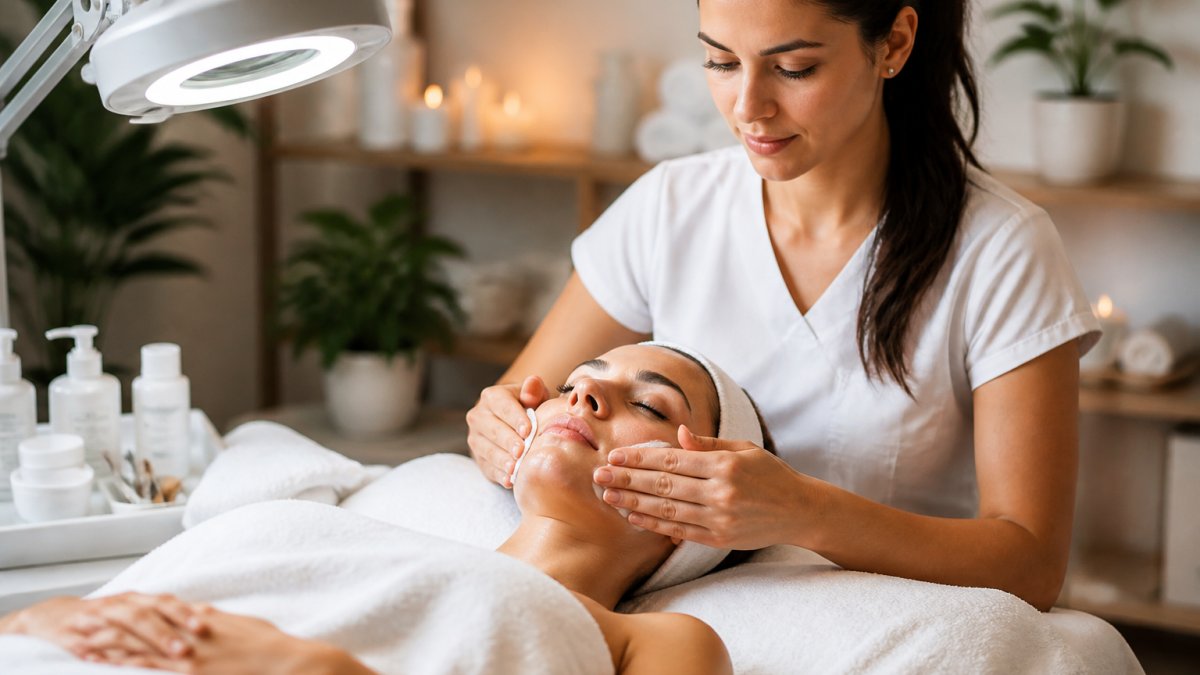
Next comes the visual assessment. A qualified practitioner examines your skin under proper lighting to evaluate texture, tone, hydration, sensitivity, and any active concerns.
They'll typically assess:
- Skin type (oily, dry, combination, or balanced)
- Skin condition (acne, sensitivity, redness, hyperpigmentation)
- Texture and firmness
This evaluation tells the practitioner what your skin actually needs, not what you think it needs. Someone concerned about fine lines might actually have dehydration as the root issue; another focused on brightness might benefit more from treating active breakouts first.
The practitioner documents the treatment area, often taking photos (with your permission) to create a baseline for tracking progress.
Treatment Suitability and Contraindications Check
The practitioner cross-references your medical history, skin assessment, and goals to determine which treatments are safe and appropriate.
Some treatments have absolute contraindications (cannot be done safely); others have relative contraindications (requiring modified approaches or timing).
For example:
- Certain treatments are unsafe during pregnancy
- Active cold sores require treatment before proceeding
- Recent sunburn means postponing some procedures
You should leave knowing exactly why a treatment is or isn't recommended for your situation, not just being told "yes" or "no."
How to Prepare for an Aesthetic Consultation
Preparation makes your consultation more productive: better recommendations and less time wasted on details the practitioner should already know.

What to Bring: A Concrete Checklist
Bring these items to make your consultation efficient and complete:
- Photo ID and, if your practice accepts it, your insurance card (most aesthetic consultations are elective and not covered, ask when you book)
- A written list of all current medications and supplements with dosages, including over-the-counter products, vitamins, and herbal supplements. Isotretinoin, blood thinners, and some antibiotics change what treatments are safe.
- A list of previous aesthetic treatments or procedures, including dates and who performed them. Fillers, neuromodulators, lasers, chemical peels, and microneedling all affect timing and suitability.
How to Document Your Concerns Before You Arrive
Self-documentation helps the practitioner understand your skin patterns and set realistic expectations. Before your appointment, note:
- When flare-ups appear, morning, evening, or tied to your menstrual cycle
- What makes your skin better or worse, products, routines, stress, sleep, diet, or seasonal changes
- Any triggers you've noticed, certain foods, products, fabrics, or activities
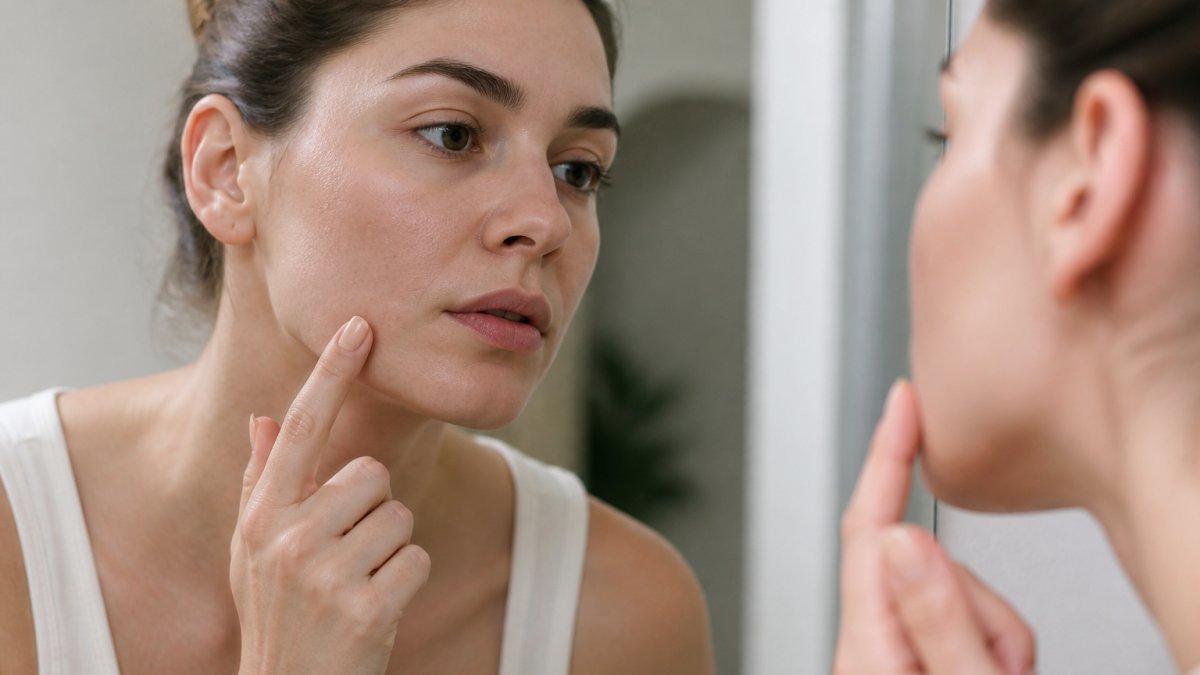
A simple way to do this: take a front-facing photo in consistent lighting once a week for three to four weeks before your consultation. A practitioner can spot patterns, seasonal dryness, hormonal breakouts, product irritation, that a single in-office look may miss. Documenting these subtle shifts in your appearance provides a clearer history for your provider, much like gathering reference imagery before a veneer consultation.
Practical Day-Of Preparation
- Wear minimal makeup. The practitioner needs to see your actual skin, not foundation and concealer. If you wear makeup daily, schedule the consultation for a morning when you've just washed your face.
- Skip aggressive skincare 24 hours before. Avoid harsh scrubs, acids, and retinoids so your skin is in its normal state, not irritated or sensitized.
- Arrive with clean skin and hair pulled back so the practitioner has a clear view of your face and, if relevant, your scalp or neck.
Aesthetic Consultation Checklist: What to Bring and Document
Bring these items to make your consultation efficient and complete:
- Photo ID and insurance card (if applicable)
- List of current medications and supplements with dosages
- List of previous aesthetic treatments or procedures
Document your own observations too. Before arriving, take note of:
- When acne or irritation typically appears (morning, evening, certain times of month)
- What products or routines make your skin better or worse
- How your skin changes with seasons or stress
This self-documentation helps the practitioner understand your skin patterns and set realistic expectations. It also shows you've thought seriously about your goals instead of walking in with vague wishes.
Key Aesthetic Consultation Questions to Ask Your Practitioner
Ask these during your consultation, the answers reveal whether the practitioner understands your skin:
About your specific skin:
- "What do you see as my main skin concern, and why?"
- "Is my skin type oily, dry, combination, or balanced, and how does that affect treatment options?"
- "Are there any contraindications or reasons we should wait before starting treatment?"
About recommended treatments:
- "Why is this treatment the best option for my concern?"
- "How many sessions will I need to see results?"
- "What should I expect after each treatment, downtime, side effects, or restrictions?"
About aftercare and maintenance:
- "What skincare routine should I follow at home between treatments?"
- "Are there products I should buy, or can I use what I already have?"
- "How often will I need maintenance treatments to keep results?"
About safety and informed consent:
- "What are the possible side effects or risks?"
- "Who will be performing the treatment, will it be you or someone else?"
- "If I'm not comfortable proceeding, can I reschedule without pressure?"
A good practitioner answers directly and specifically. Vague answers or pressure to book immediately are red flags.
Understanding Aesthetic Consultation Duration and What to Expect
Most aesthetic consultations take 30-60 minutes; a more involved assessment, multiple concerns, extensive medical history, or previous treatments, can take 60-90 minutes.
Expect the consultation to follow roughly this structure:
- Intake and paperwork (5-10 minutes), forms, medical history, consent documents
- Discussion of goals and concerns (10-15 minutes), you explain what brings you in
- Skin assessment (10-20 minutes), the practitioner examines your skin under proper lighting
- Treatment recommendations (10-15 minutes), specific options tailored to your skin
- Q&A and next steps (5-10 minutes), you ask questions, discuss scheduling and costs
The consultation should feel collaborative, not prescriptive, you're being informed about what's possible, what's safe, and what makes sense for your skin.
Consultation Costs, Deposits, and What's Included
Practices structure consultation fees in a few common ways:
- Free consultations. Ask what is actually included, a brief visual assessment and a treatment pitch is different from a full medical history review and written plan.
- Paid consultations with a credit toward treatment. A common pattern is a fee credited toward your first treatment if you book within a set window (often 30-90 days). Ask for the exact window and whether the credit applies to any treatment or only specific ones.
- Flat-fee consultations. A standalone fee that is not credited, more common when the consultation includes a detailed assessment, clinical photos, or a written treatment plan you keep regardless of whether you book.
When you book, ask these questions directly:
- Is the consultation free, and if not, what is the fee?
- Is the fee credited toward treatment, and within what timeframe?
- What is included, medical history review, skin assessment, clinical photos, a written plan, product recommendations?
Get the answers in writing, an email confirmation or website page is fine.
Consent, Cooling-Off, and Pressure-Free Decision-Making
Before any treatment begins, you should sign an informed consent document. It documents that you understood the treatment, the risks, and the expected outcomes.
You have the right to:
- Take time to think before committing to treatment, days or weeks, not minutes
- Ask for the consent form and treatment plan in advance to review at home
- Decline a treatment without pressure or judgment
Pressure tactics, "book today and save," "this special ends tonight," or dismissing your concerns, are warning signs. If a practitioner guarantees "completely safe" or "permanent results," be skeptical: all treatments carry some risk, and honest practitioners discuss realistic outcomes, not perfect ones.
What You Should Leave With
By the end of the appointment, you should have:
- A clear understanding of your skin condition
- Specific treatment recommendations with realistic timelines
- Pricing per session and per package, in writing
Don't feel obligated to book immediately. A good practitioner respects your decision-making timeline.
Most consultations follow a consistent structure, though timing varies based on your skin complexity and medical history.
| Consultation Phase | Duration | What Happens |
|---|---|---|
| Intake and paperwork | 5-10 minutes | Forms, medical history, consent documents |
| Discussion of goals and concerns | 10-15 minutes | You explain what brings you in |
| Skin assessment | 10-20 minutes | Practitioner examines skin under proper lighting |
| Treatment recommendations | 10-15 minutes | Specific options tailored to your skin |
| Q&A and next steps | 5-10 minutes | Questions, scheduling, and costs discussed |
| Total consultation | 30-90 minutes | Longer for multiple concerns or extensive history |
Informed Consent, Safety, and Your Right to Take Time
Before any treatment begins, you should sign an informed consent document.
Read the consent form carefully. Don't sign anything you don't understand.
You have the right to:
- Take time to think before committing to treatment
- Ask for the consent form in advance to review at home
- Decline a treatment without pressure or judgment
Pressure tactics, "book today and save," "this special ends tonight," or dismissing your concerns, are warning signs.
If a practitioner makes guarantees like "completely safe" or "permanent results," be skeptical. All treatments carry some risk. Results vary by individual.
After Your Aesthetic Consultation: Next Steps and Follow-Up
Before your first treatment, follow any pre-treatment instructions you received: avoiding sun exposure, stopping certain skincare products temporarily, arriving with clean skin, and avoiding other treatments in the meantime.
Schedule a follow-up consultation 4-6 weeks after your first treatment to assess results and adjust your plan. Skin sometimes responds differently than expected, and a follow-up lets you course-correct before committing to a full series. Keep notes on how your skin responds, what works, what doesn't, and any side effects, so your practitioner can refine the plan over time.
Book Your Personalized Aesthetic Consultation at ToniRoc Beauty
Your aesthetic consultation is the foundation for any skincare treatment, honest assessment, realistic expectations, and a plan tailored to your actual skin. At ToniRoc Beauty, we assess your medical history, evaluate your skin thoroughly, and recommend treatments that make sense for your situation, explaining everything clearly so you feel confident about your next steps.
Ready to start? Book a personalized aesthetic consultation with our team. If you have questions before booking, contact us or review what other clients say about their experience.
Your skin is unique. Your consultation should be too.
Frequently Asked Questions
What should I bring to an aesthetic consultation?
Bring a valid photo ID, your insurance card if applicable, a list of current medications and supplements, and photos of any skin concerns or goals you want to discuss. Write down any questions beforehand. If you've had previous aesthetic treatments elsewhere, bring records or photos of results. Documentation helps your practitioner understand your skin history and create a truly personalized treatment plan.
How long does an aesthetic consultation typically take?
Most aesthetic consultations last 30 to 60 minutes, depending on the complexity of your concerns and the number of treatment options being discussed. Initial consultations often take longer than follow-up appointments because the practitioner needs to perform a thorough skin analysis, review your full medical history, and discuss your cosmetic goals in detail. Allow extra time if you have multiple concerns or are considering several treatment options.
What aesthetic consultation questions should I ask?
Inquire about recommended treatment options, expected results, realistic timelines, potential side effects, and aftercare requirements. Ask about their approach to customization and how they'll adjust treatment based on your skin type. Clarify pricing, what's included in your treatment plan, and whether follow-up appointments are needed. Don't hesitate to ask about their experience with sensitive skin, rosacea, or any condition you have.
Why is an aesthetic consultation important before treatment?
A consultation ensures the treatment is right for your skin type, concerns, and goals. It identifies any contraindications or allergies that could affect safety, reviews your medical history to prevent complications, and sets realistic expectations about results and recovery. A qualified practitioner uses this time to assess your skin condition, understand your lifestyle habits, and create a personalized treatment plan rather than applying a generic approach to everyone.
The difference between a rushed appointment and a real consultation is attention to detail. When a practitioner takes time to understand your skin, your history, and your goals, the treatments that follow actually work. That's what we do at ToniRoc Beauty, we build a plan around you, not fit you into a standard package.