 how-to
How Do You Treat Acne Scars Safely?
Last Updated: October 30, 2026
Quick Summary
Treat acne scars safely by confirming the mark is a true scar, then using gentle at-home care like daily sunscreen and a retinoid two to three nights a week. Deeper scars need professional treatments such as microneedling, peels, lasers, or subcision performed by a licensed clinician.
- Run a finger over the mark: if skin dips or rises it is a scar, not a flat dark spot.
- Skip DIY lemon juice, baking soda, and harsh scrubs, and never pick a healing breakout.
- Avoid mixing strong acids with retinoids on the same night to protect your skin barrier.
- Professional treatments take weeks to months and usually need a series of sessions.
- The American Academy of Dermatology advises a board-certified dermatologist for deeper or raised scars.
Table of Contents
- Acne Scars vs. Dark Spots: Know What You're Treating
- At-Home Acne Scar Treatments That Won't Damage Your Skin
- Professional Acne Scar Treatments and Who Should Perform Them
- How Long Acne Scar Treatments Take to Show Results
- Common Mistakes That Make Acne Scars Worse
- Getting a Safe Acne Scar Plan in Franklin Square
- Frequently Asked Questions
Acne Scars vs. Dark Spots: Know What You're Treating
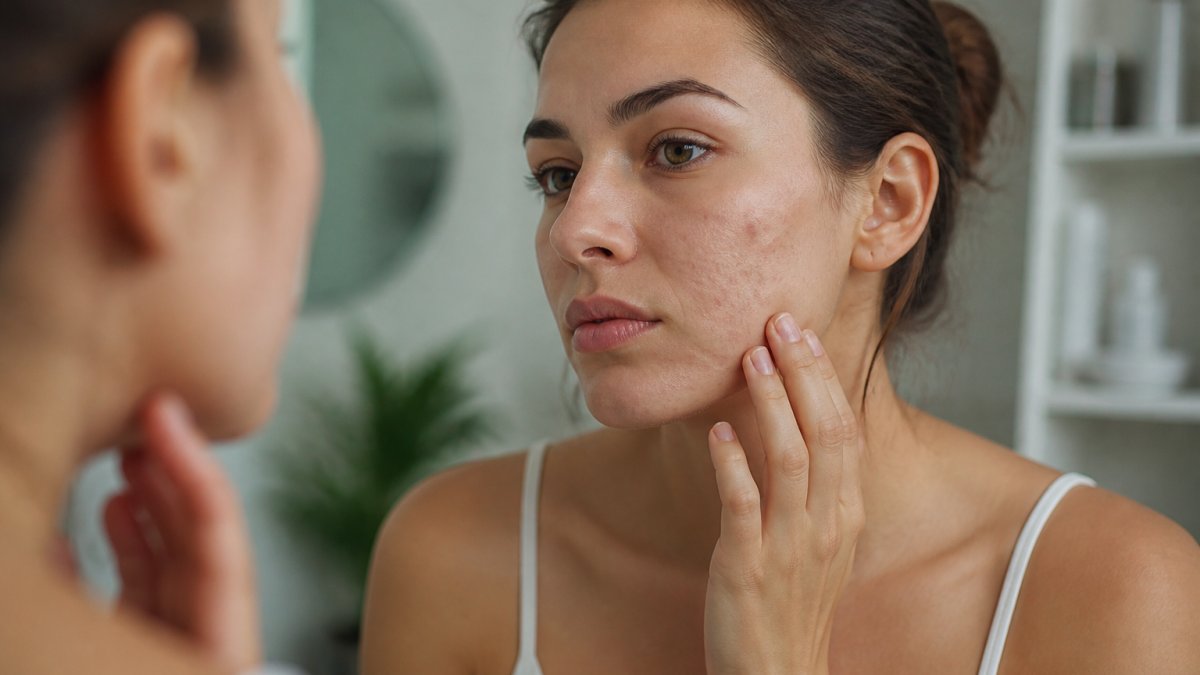
Learning how to treat acne scars safely starts with knowing which marks you actually have. Acne scars are textural changes in the skin, such as pits, rolling depressions, or raised bumps that remain after a breakout heals (the American Academy of Dermatology). Dark spots are flat areas of extra pigment. They feel smooth to the touch.
That difference matters. Dark spots often fade on their own over months. True scars usually need professional guidance to improve.
Someone may buy a brightening serum for a rolling scar, or a scar cream for a mark that is really post-inflammatory hyperpigmentation. Wrong product, wasted money, frustration.
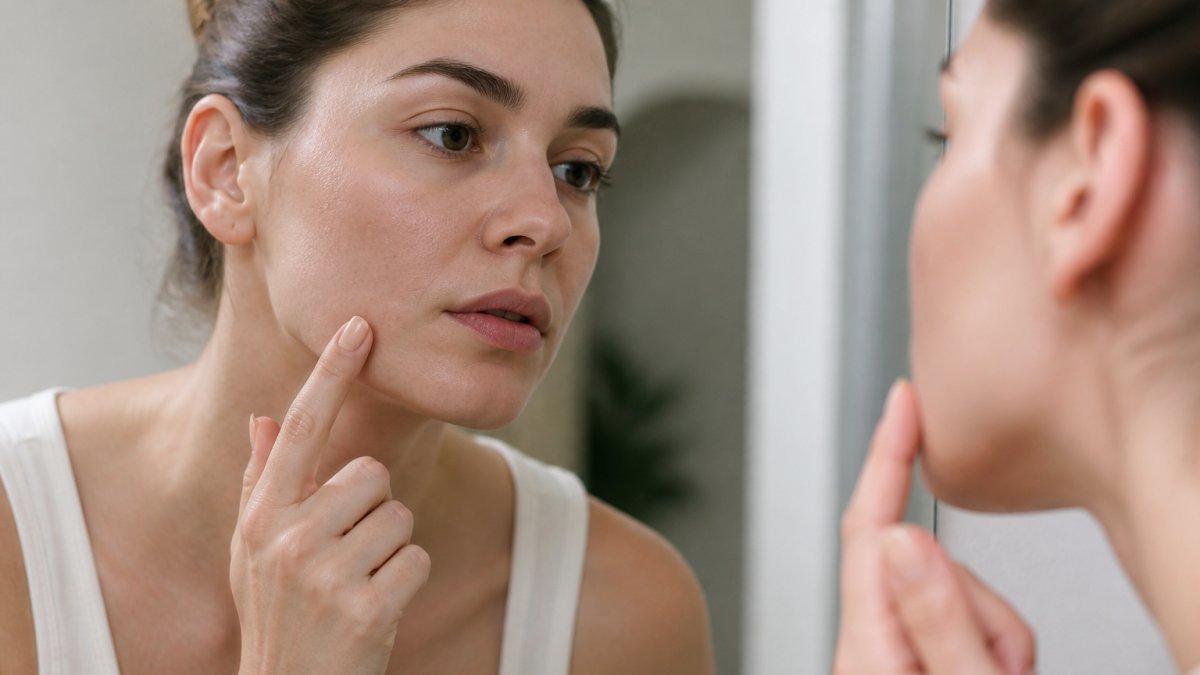
Here is the quick test: run a clean finger across the mark with your eyes closed. If the skin dips or rises, it is a scar. If the surface stays flat, it is a dark spot.
Both can appear together, which is why a proper skin assessment comes first. For teens and parents dealing with breakouts, our guide to the best acne treatments for teens covers age-appropriate options.
At-Home Acne Scar Treatments That Won't Damage Your Skin
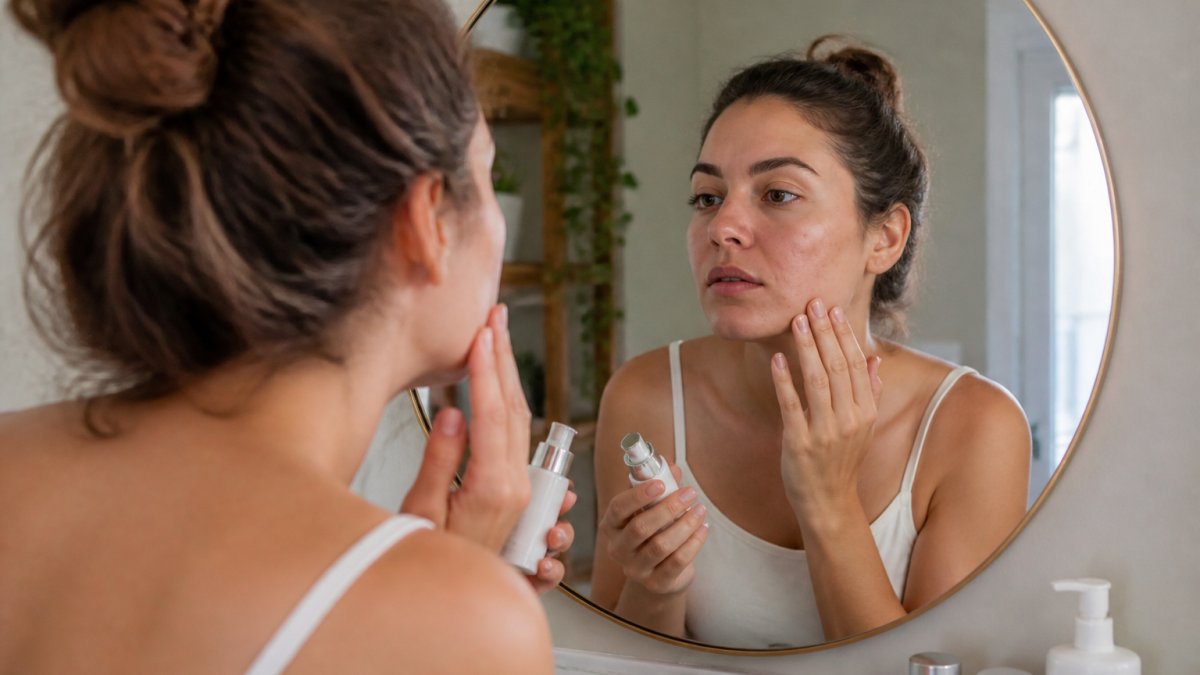
Safe at-home care is about patience, not intensity. A common mistake is attacking a scar with strong acids every night. That damages the skin barrier and can leave new marks.
A better routine focuses on steady, gentle steps:
- Sunscreen every morning. UV exposure darkens marks and slows healing.
- A retinoid two to three nights a week. It supports skin turnover over time.
- A gentle cleanser and moisturizer. No scrubs, no picking.
- Niacinamide or vitamin C to help even out tone.
- One new product at a time, so you know what works.
Ingredients That Help and Ingredients That Hurt
Helpful ingredients include retinoids, niacinamide, azelaic acid, and vitamin C. They support turnover and tone with regular use.
Hurtful habits matter more than hurtful ingredients. Watch out: mixing strong acids with retinoids in the same night often causes redness, peeling, and barrier damage. Skip DIY lemon juice, baking soda, and harsh scrubs entirely. And never pick or squeeze a healing breakout, since that is how many scars begin. Gentle patience remains the most effective strategy for fading dark spots without compromising the integrity of your skin barrier.
For a fuller routine, see our step-by-step guide on how to fix uneven skin texture.
Professional Acne Scar Treatments and Who Should Perform Them
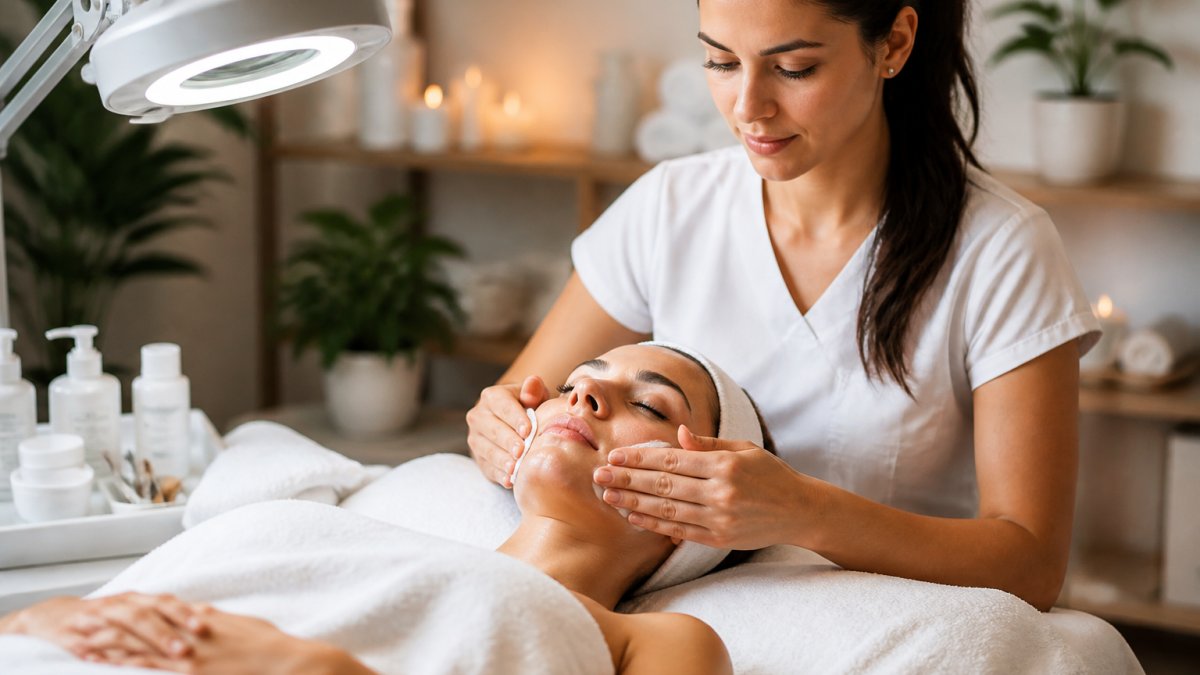
Professional acne scar treatments are in-office procedures that work below the skin surface. Common examples include microneedling, chemical peels, laser treatments, and subcision. Each targets different scar types, and results depend on the provider's skill and the individual's skin.
Who should perform them? A licensed clinician with training in scar treatment, working in a medical or aesthetic practice. The American Academy of Dermatology advises seeing a board-certified dermatologist for scar evaluation, especially with deeper or raised scars.
ToniRoc Beauty's team provides customized client care. If you want to learn which professional services are available, you can book an appointment and ask directly.
How Long Acne Scar Treatments Take to Show Results
Honest answer: weeks to months, not days. How long acne scar treatments take depends on the treatment type, scar depth, and your skin's healing speed.
- Chemical peels: surface improvement in a few weeks
- Microneedling: gradual change over a series of sessions
- Lasers: several months with multiple visits
Most people need a series of sessions spaced weeks apart, not a single appointment. A common mistake is judging a treatment after one visit. Skin remodeling is slow by nature.
| Treatment Type | Typical Session Pattern | When Change Appears |
|---|---|---|
| Chemical peel | Series, spaced weeks apart | A few weeks |
| Microneedling | Series of sessions | Gradual, over weeks |
| Laser | Multiple visits | Several months |
| Subcision | Provider-guided plan | Gradual, over months |
Set realistic expectations before you start. Anyone promising overnight results is overselling.
Common Mistakes That Make Acne Scars Worse
The biggest mistake is picking and squeezing. Every squeeze deepens inflammation and raises the odds of a permanent scar.
Other frequent errors we see:
- Starting strong acids without easing in
- Skipping sunscreen, which darkens marks
- Using DIY remedies that burn or irritate
- Treating dark spots and scars with the same product
- Jumping between products before any can work
What most guides miss is consistency. A simple routine followed for months beats an aggressive one abandoned in two weeks.
Getting a Safe Acne Scar Plan in Franklin Square
A safe plan starts with a real assessment, not a guess. ToniRoc Beauty provides customized client care, so your plan is designed around your skin rather than a template.
Before your visit, our guide on how to prepare for your aesthetic consultation walks you through what to bring and what to expect. If you are ready to move forward, you can book an appointment.
The U.S. Food and Drug Administration reminds consumers to check that devices and products used on their skin are cleared for that purpose. That is a fair standard for any treatment you consider, near me or anywhere in NY.
Frequently Asked Questions
Can acne scars go away on their own?
Some do fade with time, but it depends on the type. Dark spots left after a breakout often lighten over several months as skin renews itself. True acne scars, the indented or raised kind caused by changes in the skin's structure, do not resolve on their own. At-home care can soften their appearance, but professional acne scar treatments are usually needed for real structural improvement. A consultation helps you find out which type you have before you spend money on products.
How do I know whether I have acne scars or dark spots?
Look at the texture, not just the color. Dark spots are flat and usually brown or reddish; they are leftover pigment from inflammation. Acne scars are textural: icepick, boxcar, and rolling scars sit below the surface, while raised scars sit above it. Run a clean finger gently across the area in good light. If you feel a dip or a bump, that is a scar. If the skin feels smooth, it is likely post-inflammatory hyperpigmentation, which responds to different treatments.
Which acne scar treatments should be done by a dermatologist?
Anything that changes the structure of the skin belongs in professional hands. That includes lasers, microneedling, chemical peels at medical strengths, subcision, and injectable fillers. These treatments carry real risks when done incorrectly, including burns, infection, and worsened scarring. In New York, a licensed professional should perform them, and a consultation should come first. At-home care is for maintenance and pigment fading, not for remodeling scar tissue.
How long does acne scar treatment take to work?
Expect weeks to months, not days. Dark spots may fade over several weeks to months with consistent sun protection and gentle brightening ingredients. Professional treatments for textured scars usually involve a series of sessions, with changes continuing for some time afterward. Anyone promising overnight results is overselling. Setting realistic milestones helps you judge progress honestly.
Treating acne scars safely comes down to patience and the right guidance. If you have tried product after product without results, stop guessing. Get started with ToniRoc Beauty and a plan built around your skin, with personalized care and a team that listens.